
Full door check on visit
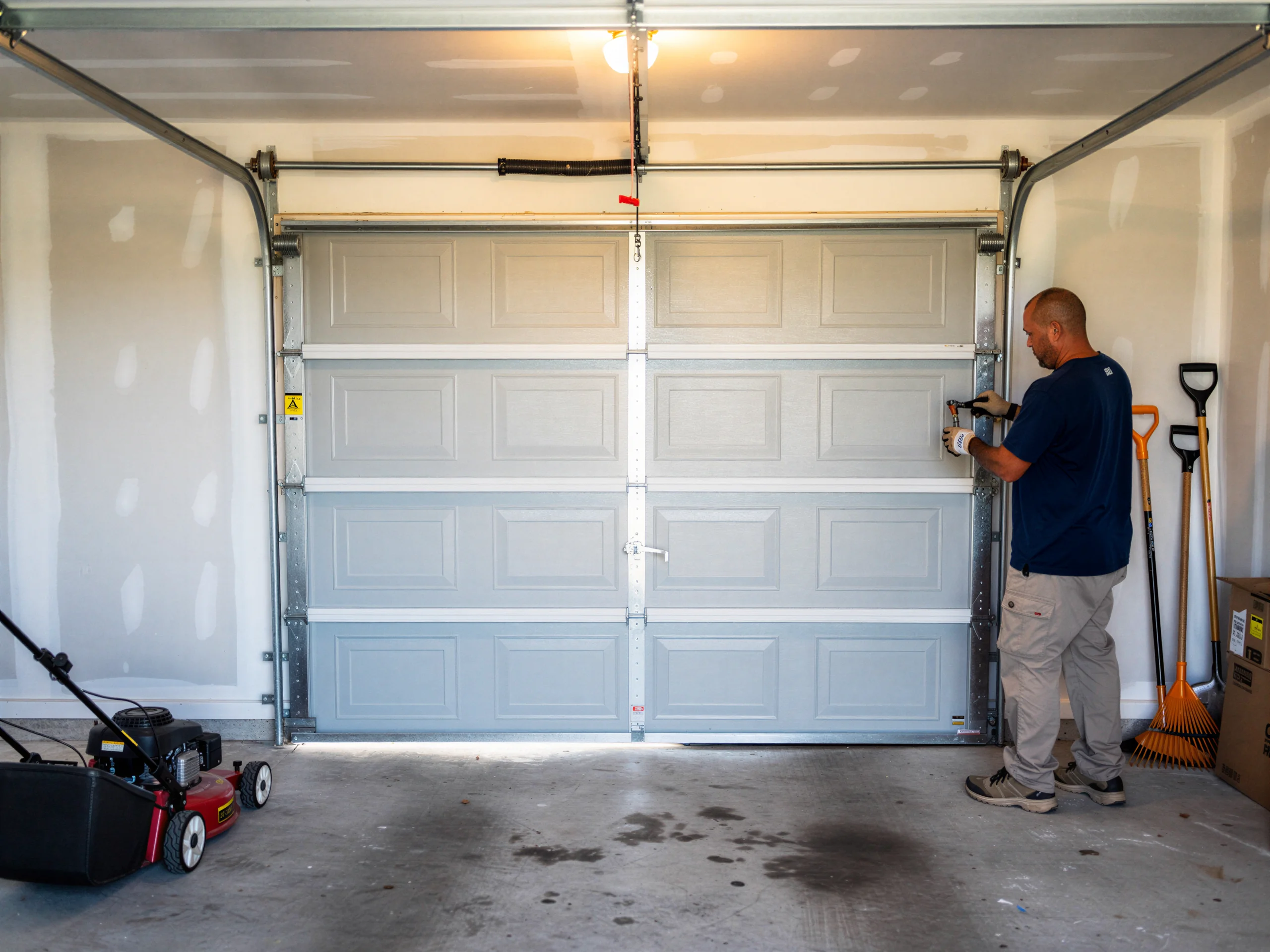
We bundle this work with a full track and hinge check on the same visit because a trip out this far only pays off if we look at everything that moves on the door while we're there.
Whitewright, Anna
Whitewright homes built mostly in the mid-1970s run steel rollers on narrow tracks that wear fast in cold snaps. Anna Garage Door Pros replaces them, 14 miles out.
Job timing
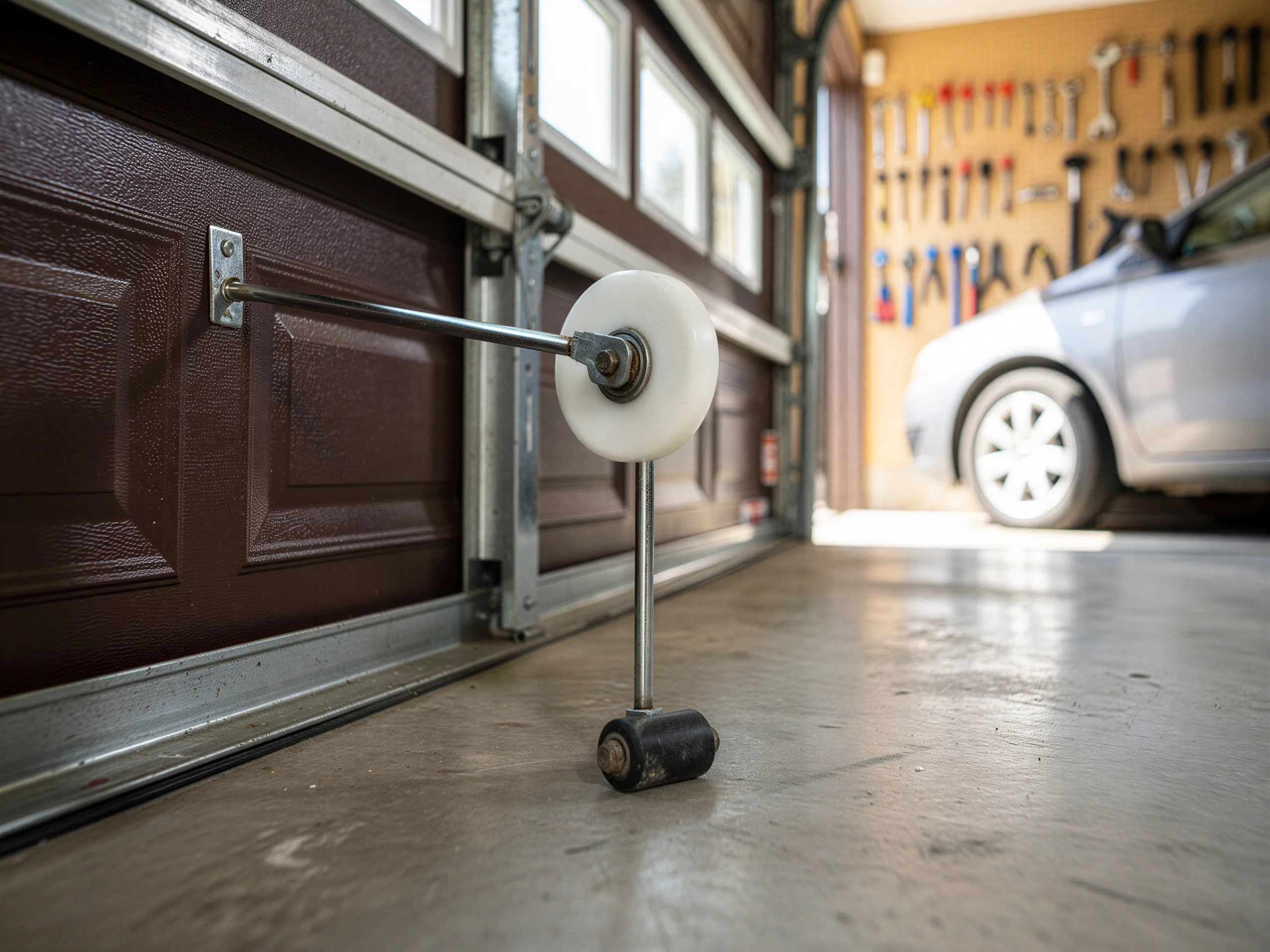
A roller swap on a Whitewright door is a short job once the truck is unloaded, but the 14-mile drive from Anna is part of the math.
We bundle this work with a full track and hinge check on the same visit because a trip out this far only pays off if we look at everything that moves on the door while we're there.
Most houses in this part of town went up around 1976, which puts the doors themselves at or past the end of a normal roller's service life even with no obvious damage - steel rollers from that era were built with stamped shells and a thin bearing race, not the sealed nylon bearings that came later.
On a standard 16x7 double or 9x7 single from that build period, you've usually got ten rollers a side, and by the time one fails the rest aren't far behind. We replace the full set, not just the one that's grinding, because coming back out 14 miles for the second failure doesn't make sense for either of us.
Watch-outs
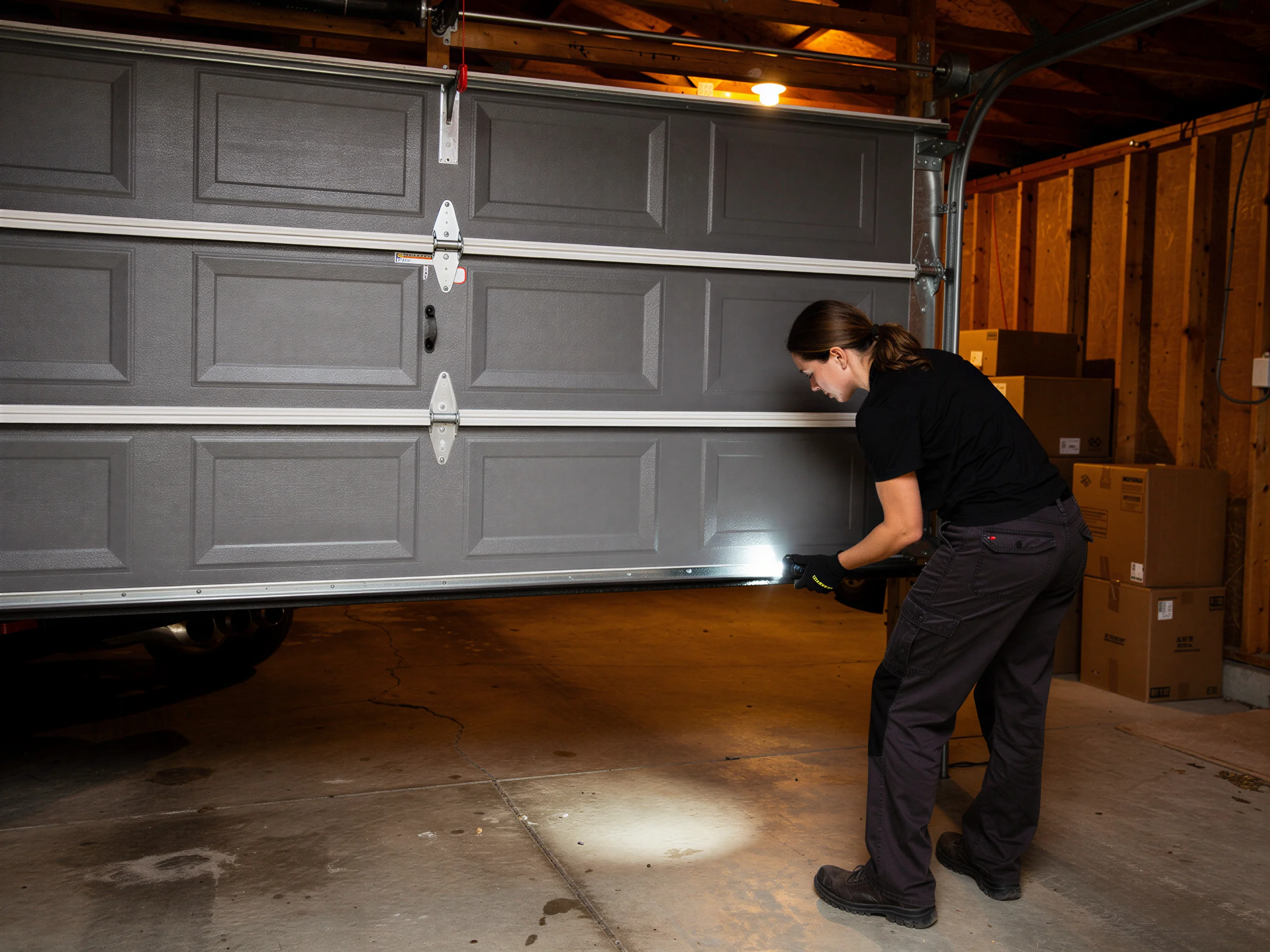
The complication with a 1976-era door isn't the roller, it's the track it rides in. Original tracks on homes of this age are narrower-gauge steel than what's sold today, and over 40-some years they've usually picked up a bow or a flat spot from a door that's been dragging on worn rollers for longer than anyone noticed. New rollers in a bent track just find the bend faster and louder than the old ones did. We check the track alignment before we touch the rollers, because swapping rollers into a track that's out of plumb buys you a few quiet months and then the same grinding back. Cold-band winters here also stiffen the grease in old roller bearings, so a door that's merely noisy in October can bind hard on a 20-degree morning - that's steel contracting against steel with no give left in the bearing.
DIY or pro
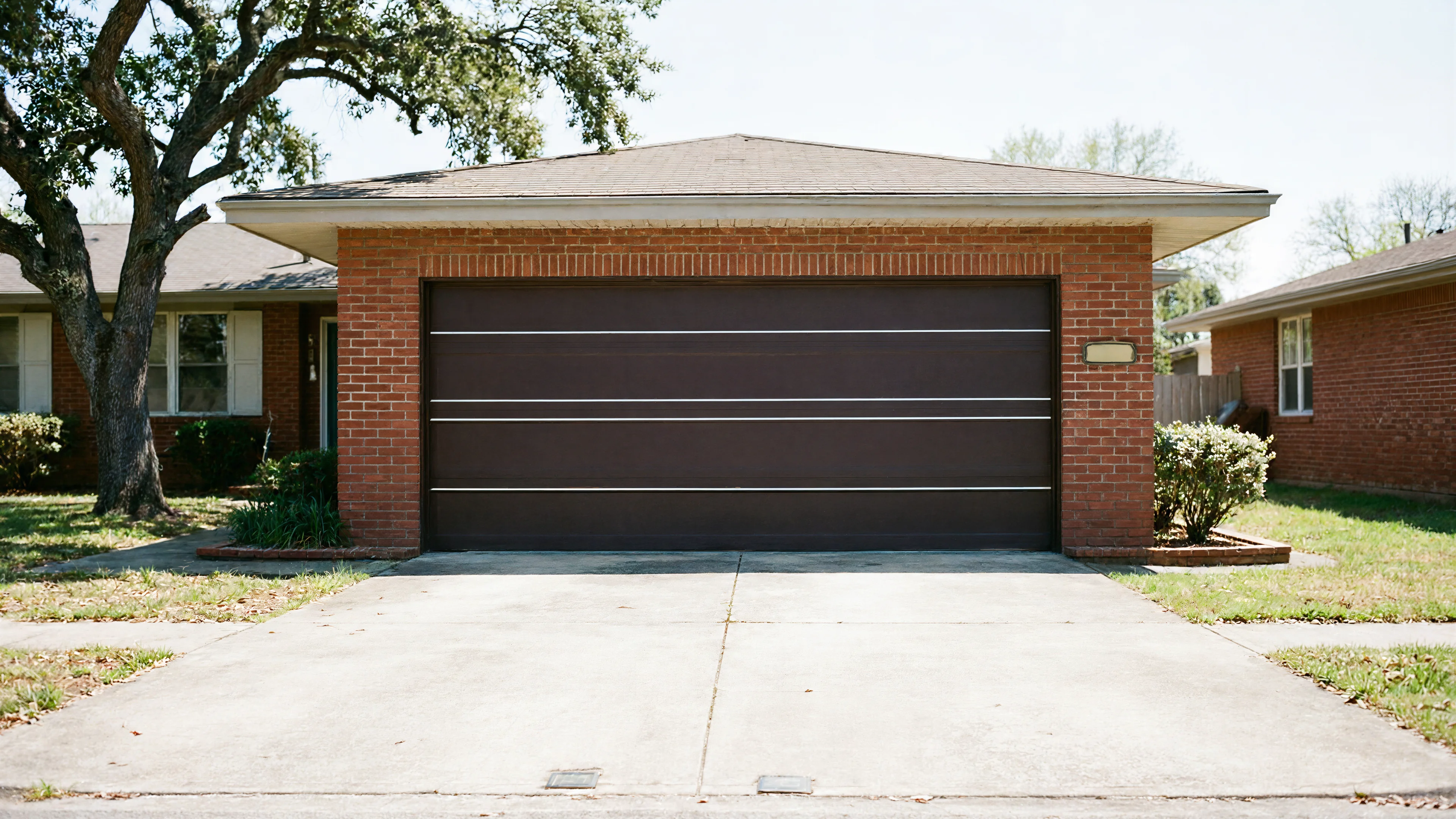
You can replace rollers yourself if the door is disconnected from the opener and you understand how to release spring tension safely first - that part is not optional and it's where most DIY jobs in older houses go wrong.
The rollers themselves are cheap and the swap is mechanically simple: pull the roller stem from the bracket, slide the new one in, reseat it in the track. Where people get hurt is skipping the step of taking weight off the door before pulling a bottom bracket roller, since that bracket also anchors the cable.
If your door is original to a 1970s build, we'd also tell you plainly: don't buy generic rollers off a shelf without checking the stem length against your track gauge first, because older tracks here often don't match current stock sizing.
Local causes
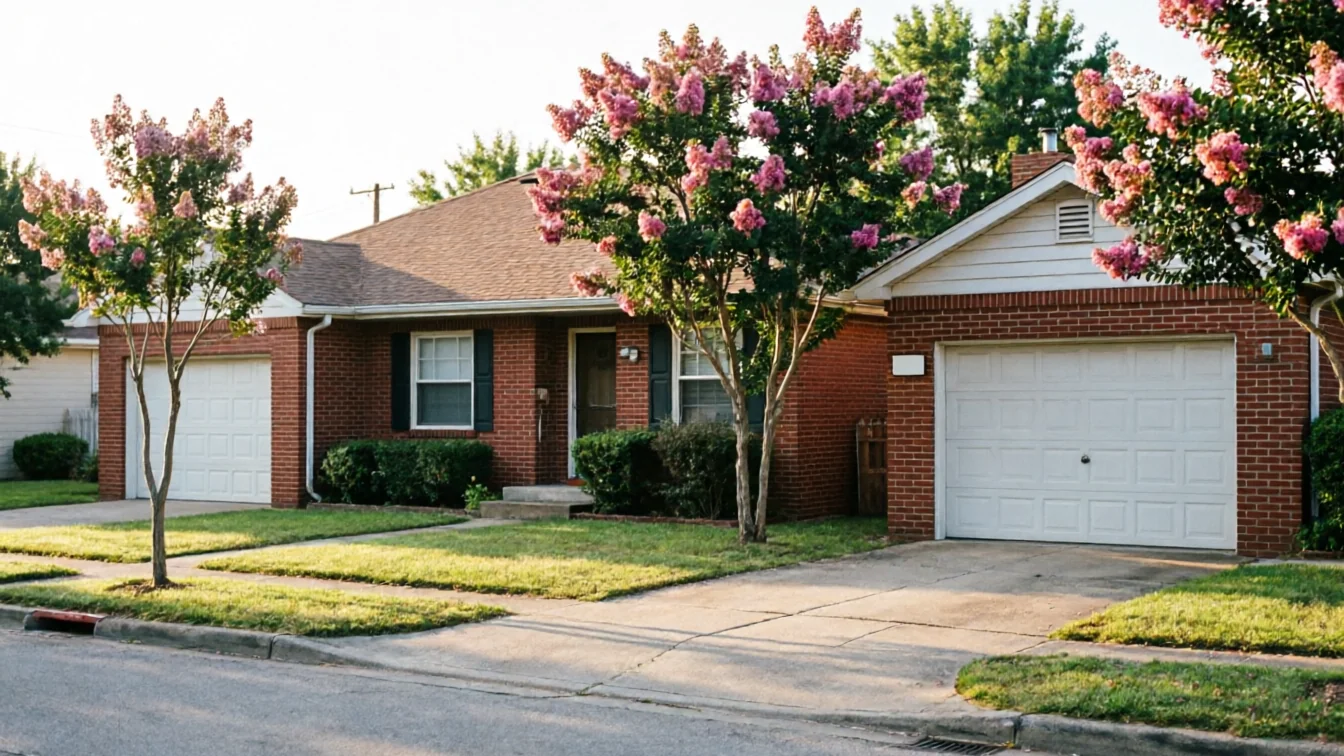
This fails here for a specific reason: the housing stock in Whitewright skews older than most of the area we cover out of Anna, and a door built around the median year of 1976 is carrying original or first-replacement hardware that was never designed for a 40-plus year service life. Add the cold-moderate winters this part of Texas gets, and steel rollers that were already worn get brittle grease and tighter clearances right when the door sees its heaviest use - holiday traffic, trailers backed into the drive, kids in and out. A worn roller skipping in a track isn't a cosmetic noise complaint; it's the roller shedding tiny steel fragments into the track groove, which then score the next set of rollers too. Ignore it through one winter and you're often looking at a track replacement instead of a roller swap.
Pricing
We don't have a posted price for this job, and we're not going to invent one here. Cost depends on whether it's a straight roller swap, whether the track needs straightening or replacing, and whether the bottom brackets are still sound on a door this age.
What we can tell you is that a full 10-roller set per side is almost always the right call once one has failed, not a one-off swap, because the rest are at the same age and wear point.
Given Whitewright's median household income sits lower than some of the other towns we cover, we'll always quote the roller-only fix first and only bring up track work if the door genuinely needs it - we're not going to upsell a job that doesn't require it.
On the truck
Serving Anna, TX
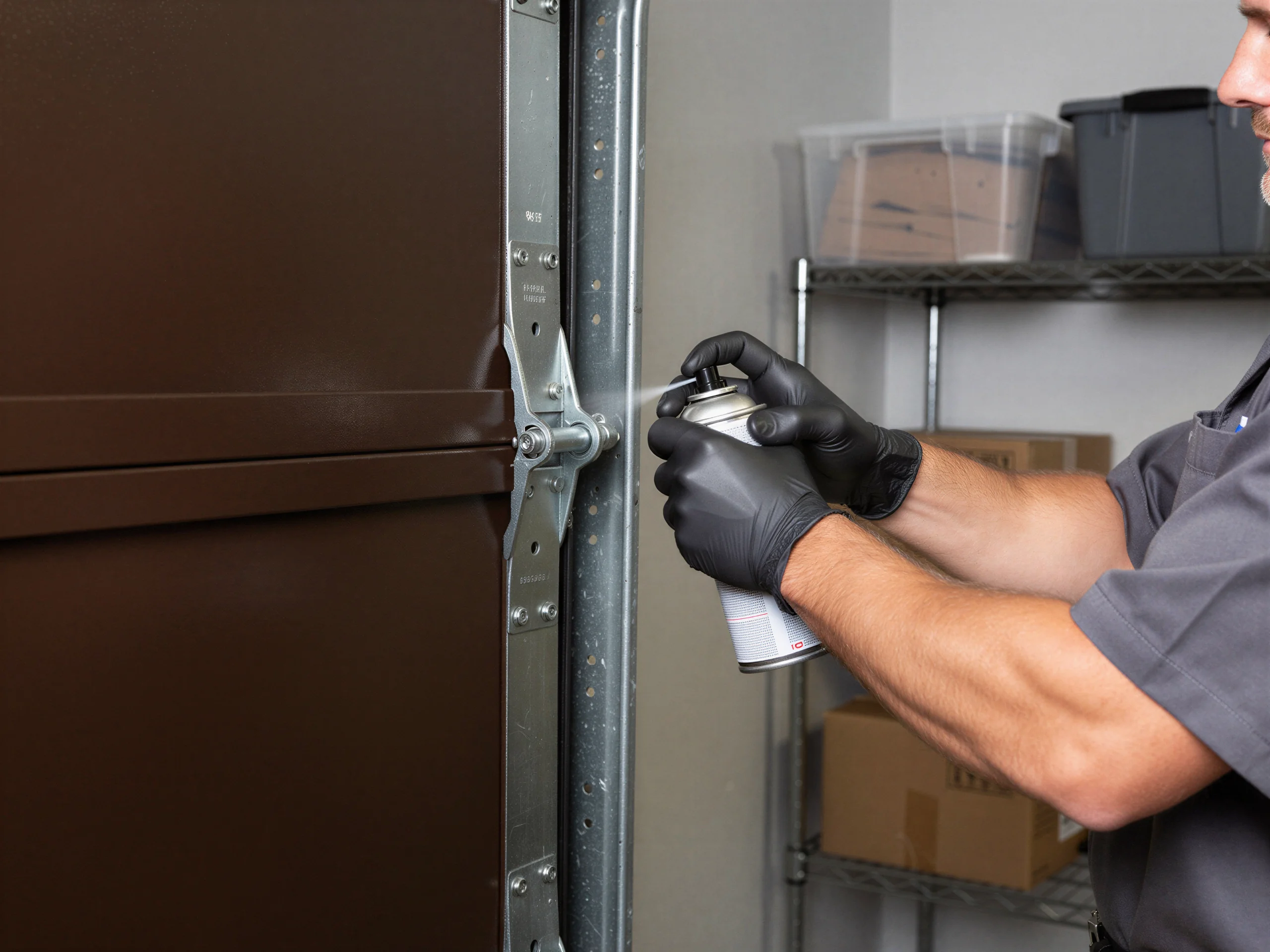
We carry both steel and nylon roller sets on the truck, sized for the track gauges still common on homes built in the 1970s and 80s across this service area. Nylon rollers run quieter and don't need the periodic lubrication steel ones do, which matters more here given the cold-moderate winters that stiffen grease on old steel bearings. We also carry replacement stems in a couple of lengths, since older brackets in homes this age don't always match current standard stem sizing. What we don't carry on the truck is a full custom track - if your door needs one, that's a return trip, and we'll tell you that up front rather than make you wait on site.
Questions
On a door built around the 1970s, the roller bearing wears well before the panels show any damage. Steel rollers from that era have a thin bearing race, and once it wears, the roller starts riding slightly off-center in the track - you'll hear it before you see any visible wear on the door itself.
Yes. We carry roller sets and stems sized for the track gauges common on homes built from the 1970s through the 1990s across the towns we cover from Anna, which includes the stock typical of Whitewright.
If the track and bottom brackets are sound, roller replacement is worth it - it's the cheaper fix and extends the life of hardware that's otherwise working. If the track is bowed or the brackets are rusted through, that's a different conversation, and we'll tell you honestly if we see it.
Explore more
Ready when you are
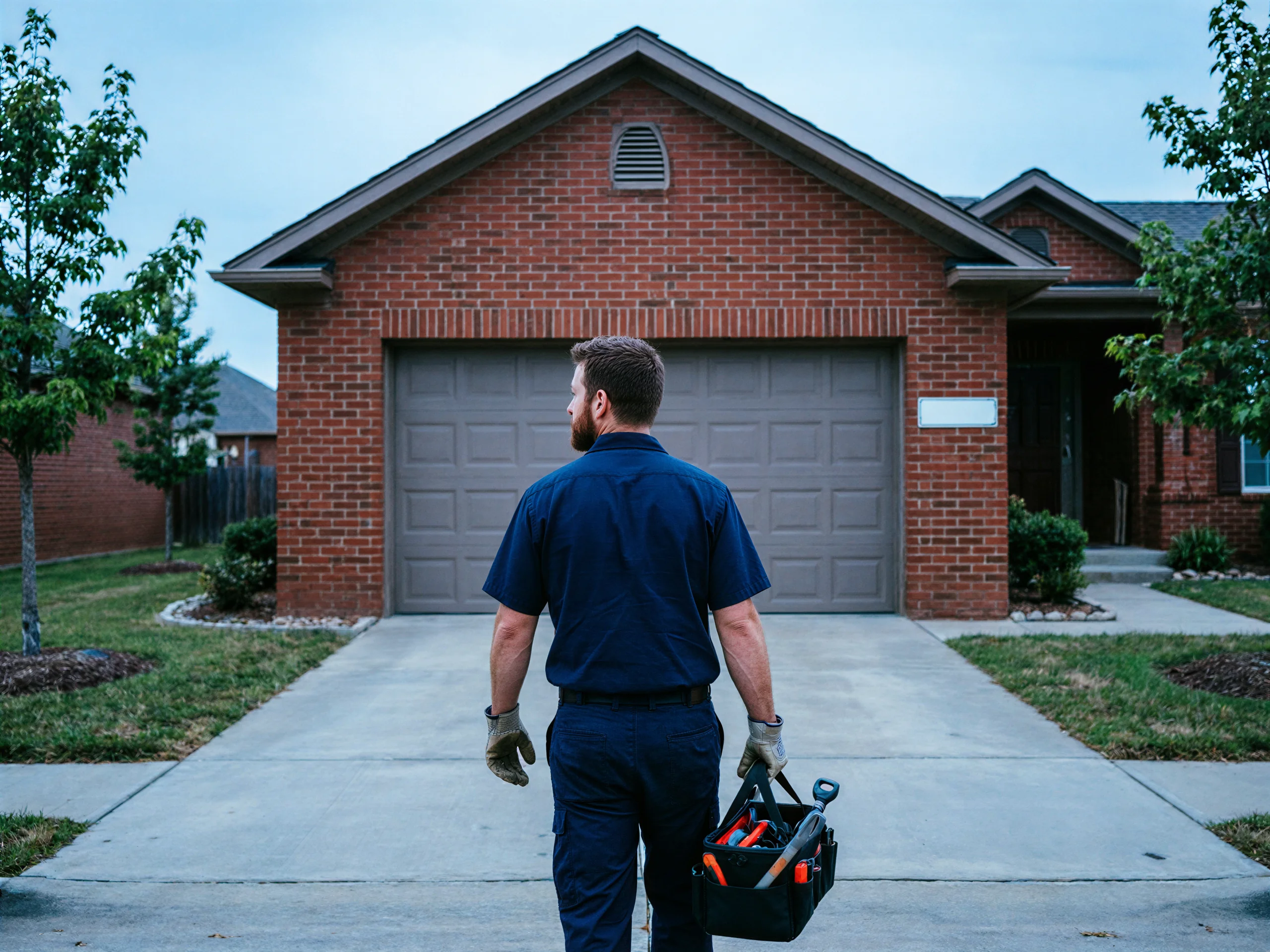
Anna Garage Door Pros repairs and installs garage doors, springs and openers in Anna, TX and the surrounding area.