
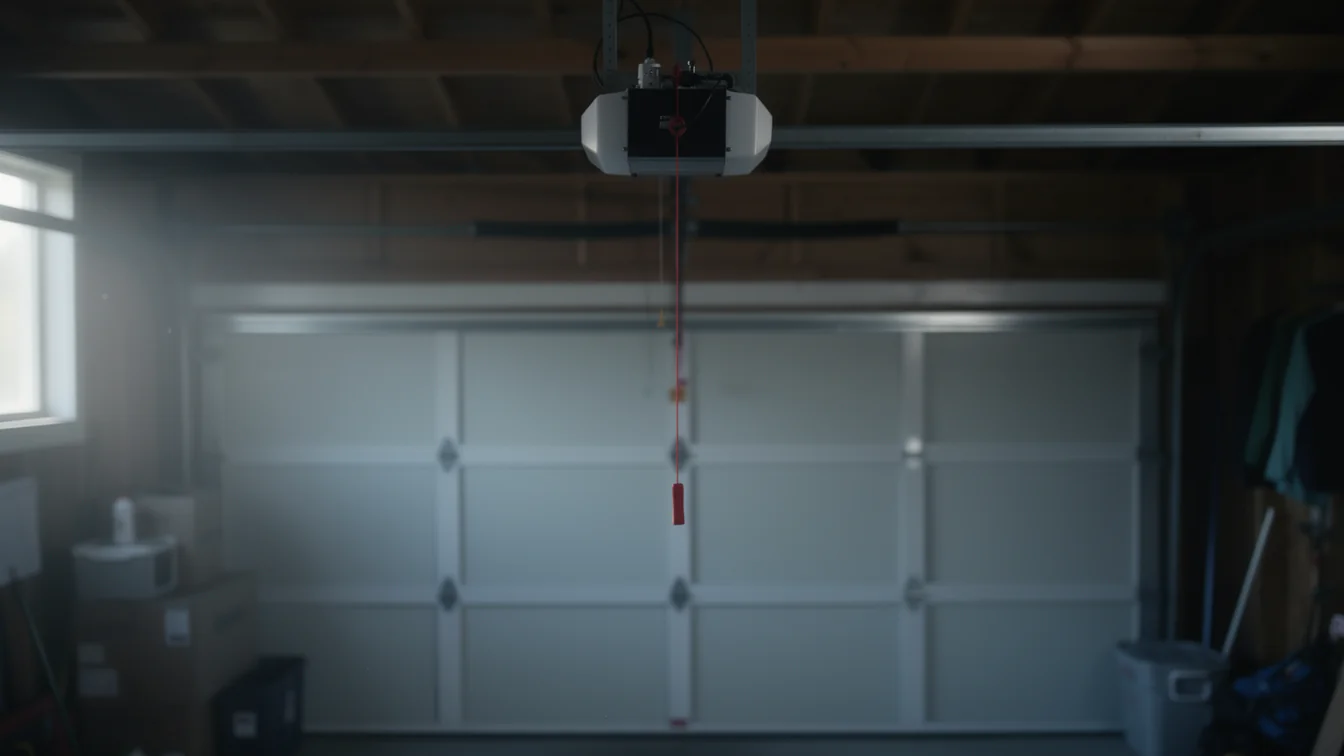
Openers, Power Cuts, and the Anna Housing Stock
Anna homes built 1969-2006 face specific opener and power-cut problems in a cold-moderate climate.
Read moreAnna homes built 1969-2006 run original springs on torsion hardware that wasn't sized for sub-freezing mornings. Here's what breaks first and why, from Anna Garage Door Pros.
Local detail
Anna sits in a cold-moderate climate band, which means the ground freezes and thaws through the winter instead of staying locked one way like further north. That freeze-thaw cycle works on concrete slabs and the steel tracks bolted to them. A track that was dead straight in September can be a sixteenth of an inch out of plumb by January, and that's enough to make rollers bind and cables jump their drum.
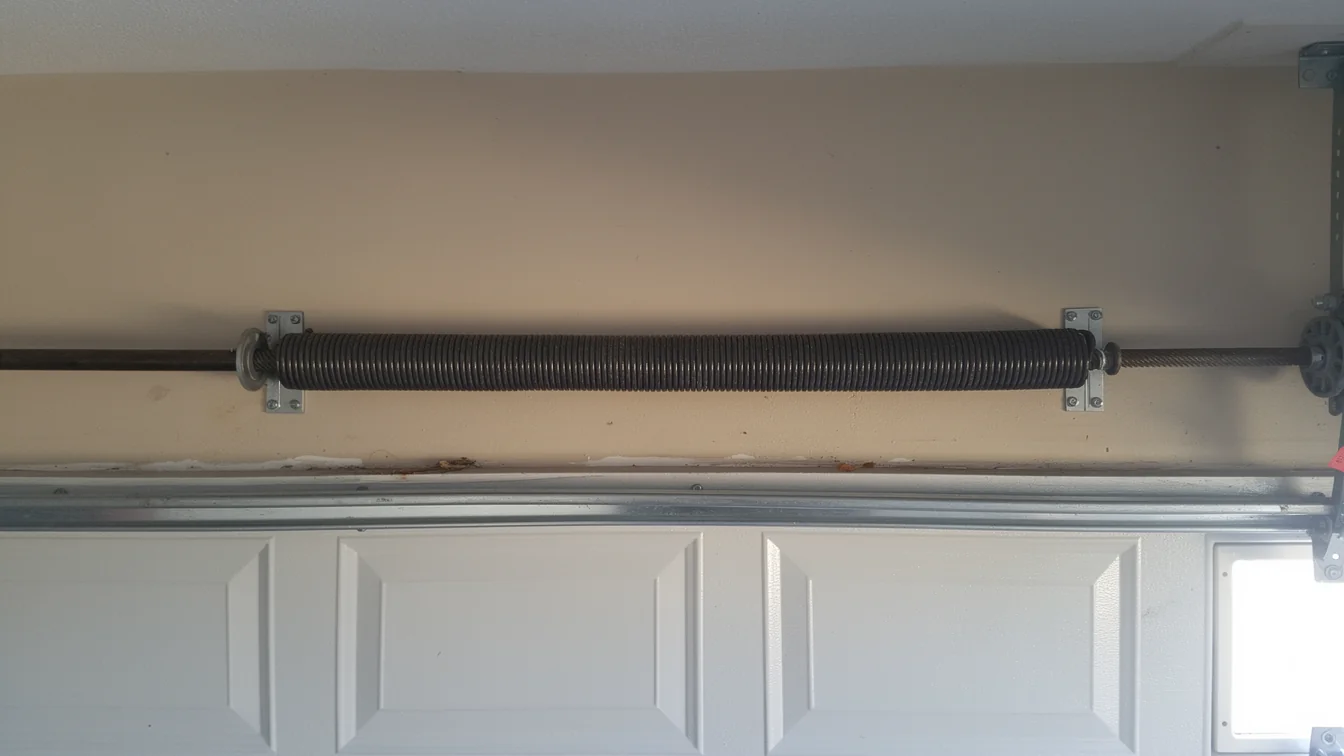
Most of the housing stock here went up between 1969 and 2006, with the bulk of it from the 1980s and 90s spread across the area's named subdivisions. That matters because torsion springs have a duty cycle measured in cycles, not years, and a spring installed when a house was built in 1988 has been doing double duty every winter since - it stretches harder to lift a door that's stiffer from the cold, and it's closer to the end of its rated life than most owners think. Steel contracts when it's cold. A spring already near the end of its wind count is the first thing to let go on a 28-degree morning, usually when the door's been sitting all night and gets asked to move for the first time.
The area
The common mistake is treating a slow or noisy door as a lubrication problem and leaving it there. Spraying the track doesn't change the fact that a 1980s-era spring is undersized for the extra resistance cold hardware puts on it. We've seen owners lubricate a track for two winters straight while the real issue - a spring wound for a lighter cold-weather load than it's actually carrying - gets worse underneath.
The other mistake is waiting. A door that's hard to lift by hand in January isn't going to get easier in February. Pushing an opener to force a door that's binding on a cold track puts strain on the drive gear that the opener wasn't built to absorb, and that turns a spring call into a spring-and-opener call.
What we find
Across the area, roughly 10,249 of the 15,776 households are owner-occupied houses - so most of the doors we're talking about belong to someone who's going to pay for the repair out of pocket, not a landlord averaging costs over a portfolio. With a median household income of $77,864, most owners can absorb a spring repair without much trouble, but it's still money nobody wants to spend twice because a first repair was a patch instead of a fix.
The straightforward problem: original torsion springs sized for mild-weather lifting, installed any time between 1969 and 2006, are now decades into a climate that puts more load on them every winter than it did when they went in. Cold steel is less forgiving steel. When a spring fails in freezing weather it tends to fail hard - a full snap rather than a slow stretch - because the cold makes it brittle right at the moment it's asked to do the most work.
How we work
When a spring goes in cold weather, it usually doesn't give a warning rattle first - it just goes, often on the first open of the day. That's different from a spring failing in July, which tends to show frayed cable strands or a visibly stretched coil for weeks before it lets go. Cold tightens tolerances across the whole door: panels contract slightly, weatherstripping stiffens and grips the frame more, and openers draw more current pushing against all of it.
We don't replace a spring that's still within its wind life just because it's winter - that's money spent on a part with life left in it. But if a spring is original to a house built in the 1980s or 90s, winter is when it's most likely to show its age, and that's worth knowing before the morning it happens with the car still in the garage.
Questions
Cold steel is more brittle and the door itself is stiffer to lift, so a spring that's near the end of its life carries more load at the exact moment it has the least give. That combination is why winter mornings see more sudden spring failures than other times of year.
A lot of houses in this area date to the 1980s and 90s, and it's common for the original torsion spring to still be in place. If it's never been replaced and the house is that age, it's worth having it checked, especially heading into winter.
Lubrication helps but won't fix binding caused by a slab that's shifted slightly with freeze-thaw, or a spring that's undersized for the extra cold-weather load. If the door is still stiff after lubing the track, that's a sign the problem is mechanical, not just friction.
Recommendation
More garage door guides for Anna homeowners.
Anna homes built 1969-2006 face specific opener and power-cut problems in a cold-moderate climate.
Read more
Anna Garage Door Pros knows the 1969-2006 housing stock and cold-moderate winters shaping garage door wear across Anna's 14 named subdivisions.
Read more
Anna homes mostly date from the 1980s and 90s, with older stock back to 1969.
Read moreReady when you are
Anna Garage Door Pros repairs and installs garage doors, springs and openers in Anna, TX and the surrounding area.