
Garage Door Work Built Around How Anna Was Actually Built
Anna Garage Door Pros knows the 1969-2006 housing stock and cold-moderate winters shaping garage door wear across Anna's 14 named subdivisions.
Read moreAnna homes built 1969-2006 face specific opener and power-cut problems in a cold-moderate climate. Anna Garage Door Pros breaks down what actually goes wrong and why.
Local detail
Most houses in this part of Anna went up between 1969 and 2006, with the bulk of the stock dating to the 1980s and 90s. That matters more than people think when it comes to openers. A chain-drive unit installed in a house built in 1986 has had close to forty years to collect dust, lose lubricant, and drift out of adjustment - and a lot of those original units are still running on the same drive gear and capacitor they shipped with. The climate here sits in the cold-moderate band, which means winter nights get cold enough to stiffen grease in the opener's gearbox and tighten steel springs just enough to throw off the balance point the opener was set to years ago. None of this is dramatic. It shows up as a door that hesitates, reverses for no clear reason, or needs two tries on a cold morning before the opener commits to the full cycle. The 14 communities in this service area share the same build-out window, so the same opener-age and cold-snap pattern plays out across Van Alstyne, Weston, and the rest, not just inside Anna proper.
The area
The mistake we see most is treating a power cut as a battery-backup problem when the opener never had a backup to begin with. A lot of the openers still in service here predate battery-backup as a standard feature - they came out of houses built well before that was common on garage door openers, and nobody's swapped them. When the power drops, the door just stops wherever it is, full stop, and the owner assumes something broke. Nothing broke. The opener simply has no power source besides the wall.
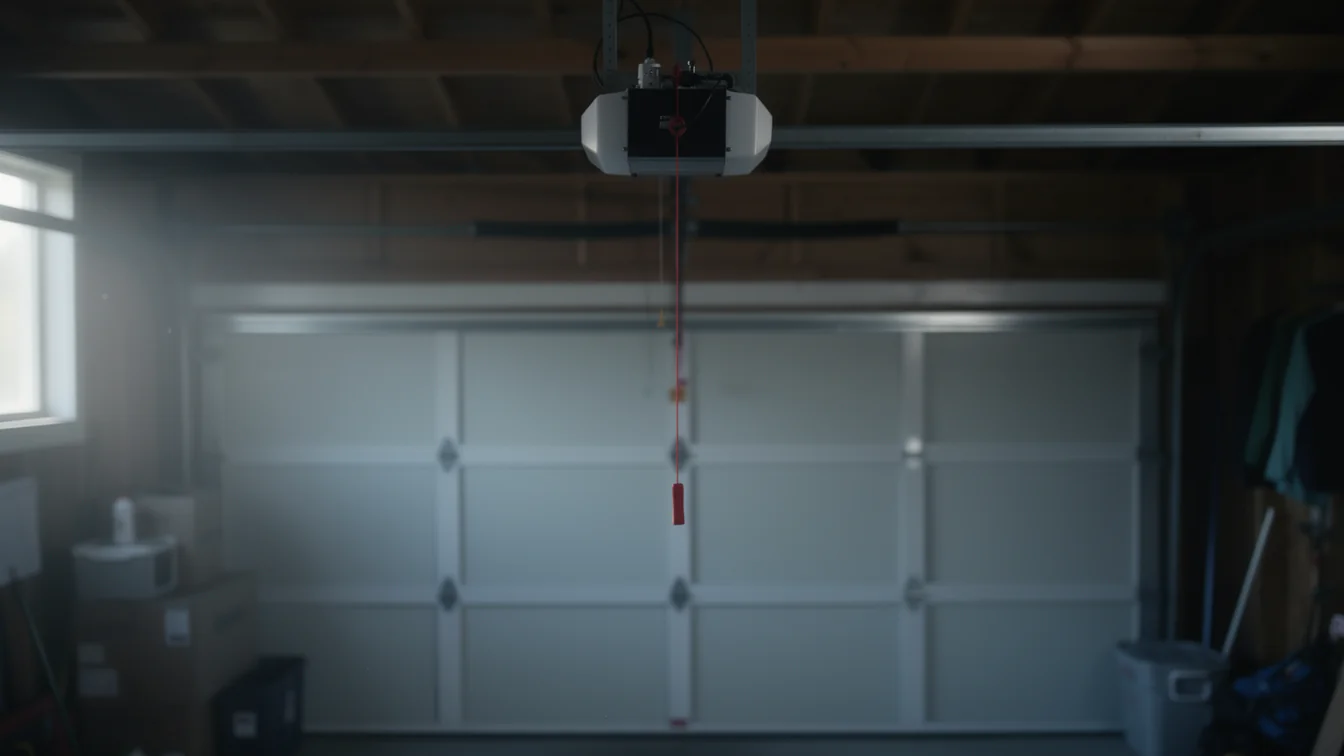
The second mistake is ignoring the manual release cord until the moment it's needed, usually during an outage, usually in the dark. If nobody in the house knows where the release is or how it disengages the trolley, a stuck door becomes a bigger problem than it needs to be. Given the age of the opener stock across this part of the county - 1980s and 90s units are still common - knowing the manual release isn't optional, it's the difference between walking the car out and being stuck.
What we find
Put the housing age and the climate together and you get a predictable failure pattern rather than a random one. Openers from the 1986-era median build have mechanical travel limits and force settings that were dialed in once, decades ago, for springs that have since lost tension. Cold nights make the symptom worse because cold steel is stiffer and the opener has to work harder to lift a door it was never recalibrated for. Add a power cut on top of that - and this region does lose power during winter weather - and you've got a door that's already marginal, now sitting disengaged on a track that hasn't been serviced in years. We're not going to tell you every outage call is an opener problem. Sometimes the opener's fine and the real issue is a spring that should've been replaced two winters ago. We won't sell you a new opener if a spring adjustment and a lube job solve it.
How we work
Through the colder stretch of the year, the same opener that ran fine in August starts hesitating because the gearbox grease has thickened and the garage itself is colder than the heated part of the house. That's normal physics, not a failing unit, but it is a reason to check the balance and the auto-reverse force before the first hard freeze rather than after. Given that median household income in the service area runs $77,864, most owners here can afford to deal with a failing opener properly rather than patch it, and that's usually the cheaper route over a few winters, not the more expensive one. Across the roughly 10,249 owner-occupied houses in this area, the opener fleet skews older than the national average because so much of the stock was built in that single 1969-2006 window and nobody's had a reason to replace a working unit. Replacement makes sense once an opener lacks backup power and the house has already had a weather-related outage or two - trying to keep patching a unit from that era past that point usually costs more in trip charges than swapping it.
Questions
Cold stiffens the gearbox grease inside the opener and tightens the torsion springs slightly, so the opener has to work harder to move a door it was calibrated for years ago. In a cold-moderate climate like this one, that shift is enough to cause hesitation or reversal on the coldest mornings, especially in older units.
If your house was built well before battery backup became standard on garage door openers, probably not. A lot of homes in this area date to the 1980s and 90s, and many still run the original opener with no backup, which means a power cut stops the door wherever it is until power returns or you use the manual release.
Depends on the unit and the house. If the opener already lacks battery backup and the area's had outages, replacement usually beats another repair. If it's just a worn gear or a bad capacitor on an otherwise sound unit, a repair is the cheaper call. We'll tell you honestly which one you're looking at.
Recommendation
More garage door guides for Anna homeowners.
Anna Garage Door Pros knows the 1969-2006 housing stock and cold-moderate winters shaping garage door wear across Anna's 14 named subdivisions.
Read more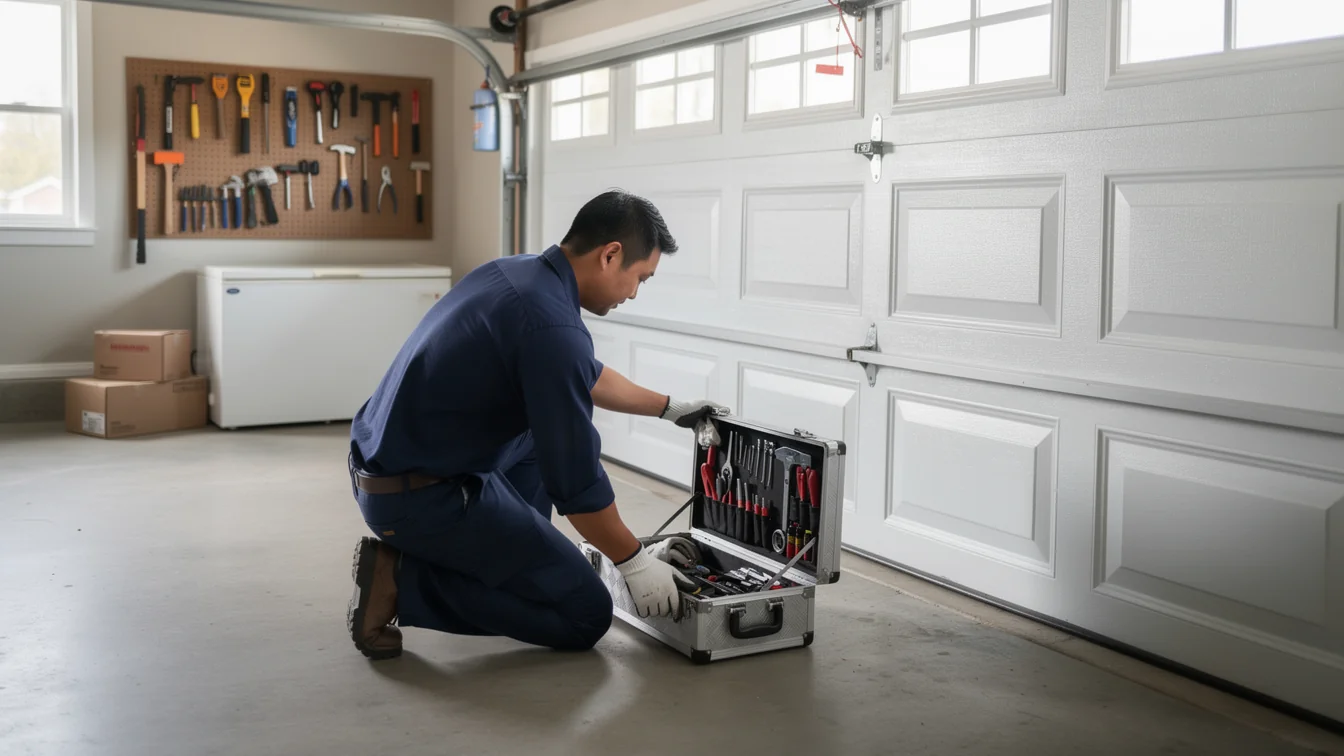
A garage door service call in Anna, TX covers the spring, cable, track, and opener wear typical of homes built 1969-2006 in our cold-moderate climate band.
Read more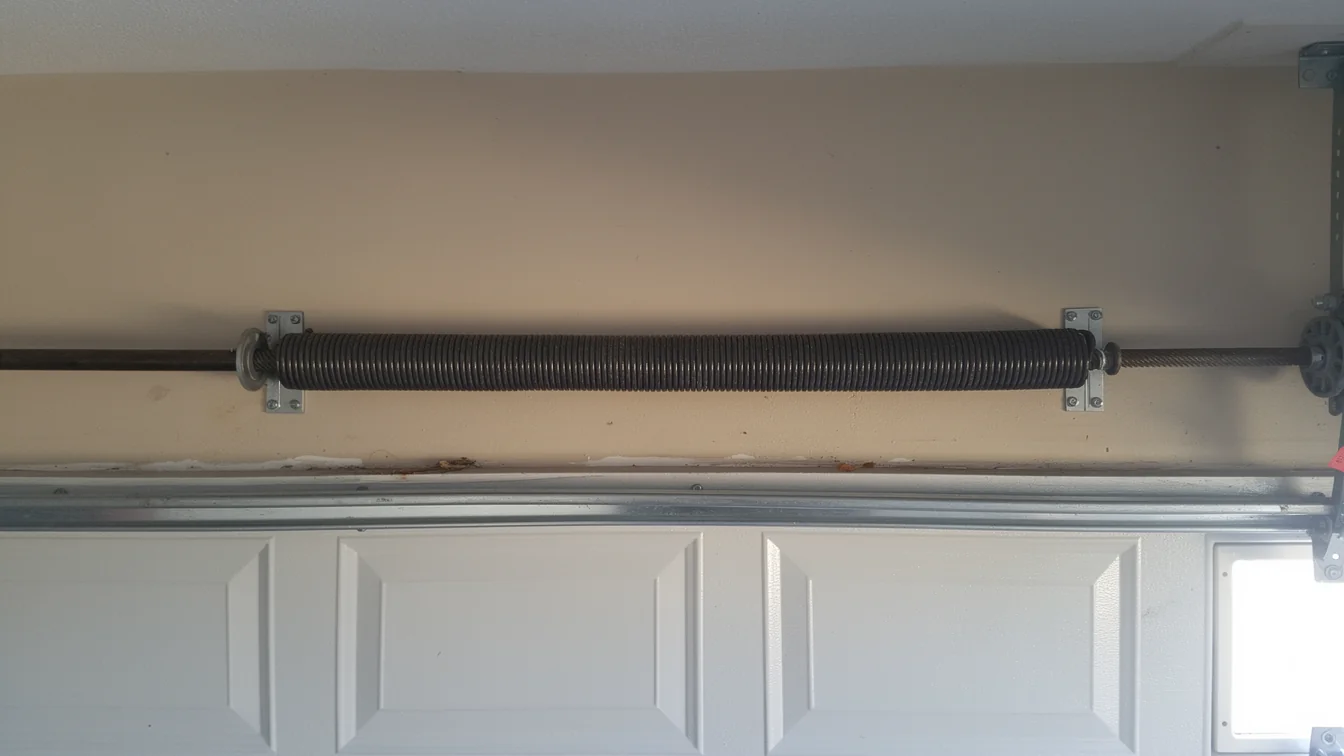
Anna homes built 1969-2006 run original springs on torsion hardware that wasn't sized for sub-freezing mornings.
Read moreReady when you are
Anna Garage Door Pros repairs and installs garage doors, springs and openers in Anna, TX and the surrounding area.