
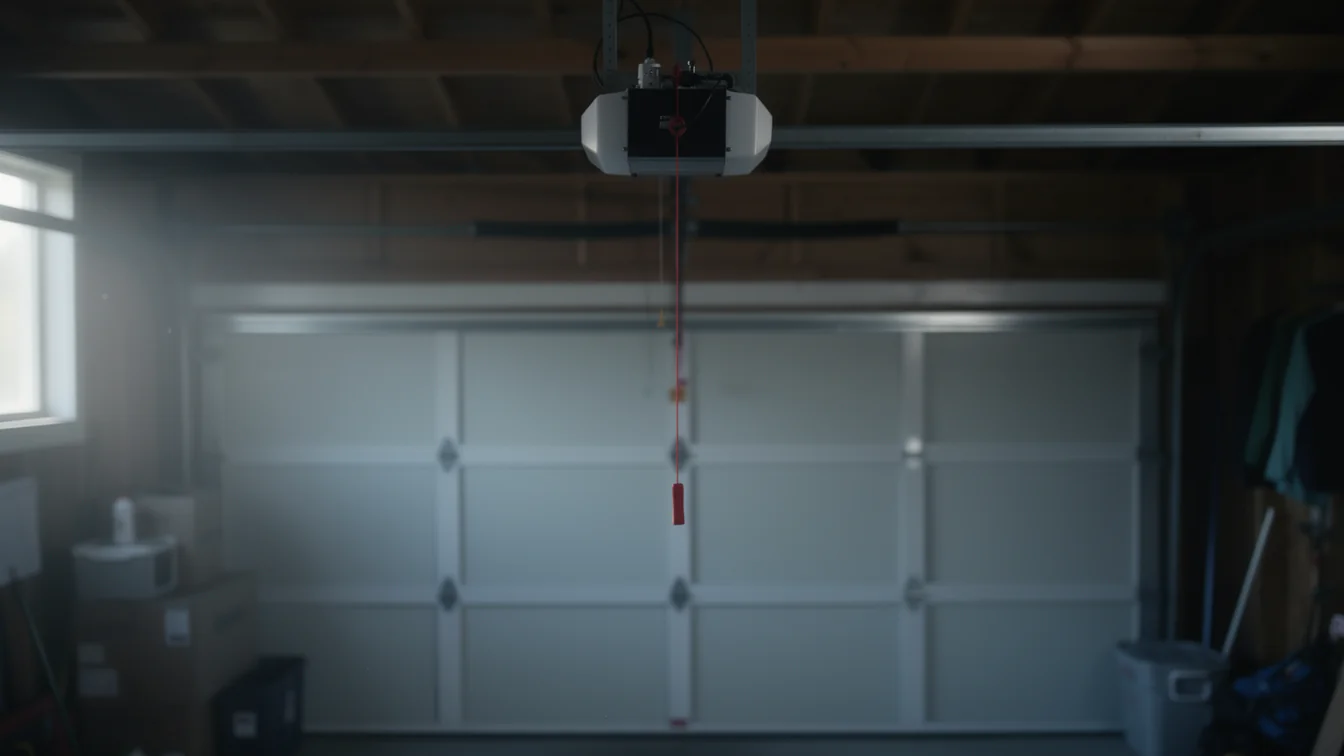
Openers, Power Cuts, and the Anna Housing Stock
Anna homes built 1969-2006 face specific opener and power-cut problems in a cold-moderate climate.
Read moreA garage door service call in Anna, TX covers the spring, cable, track, and opener wear typical of homes built 1969-2006 in our cold-moderate climate band.
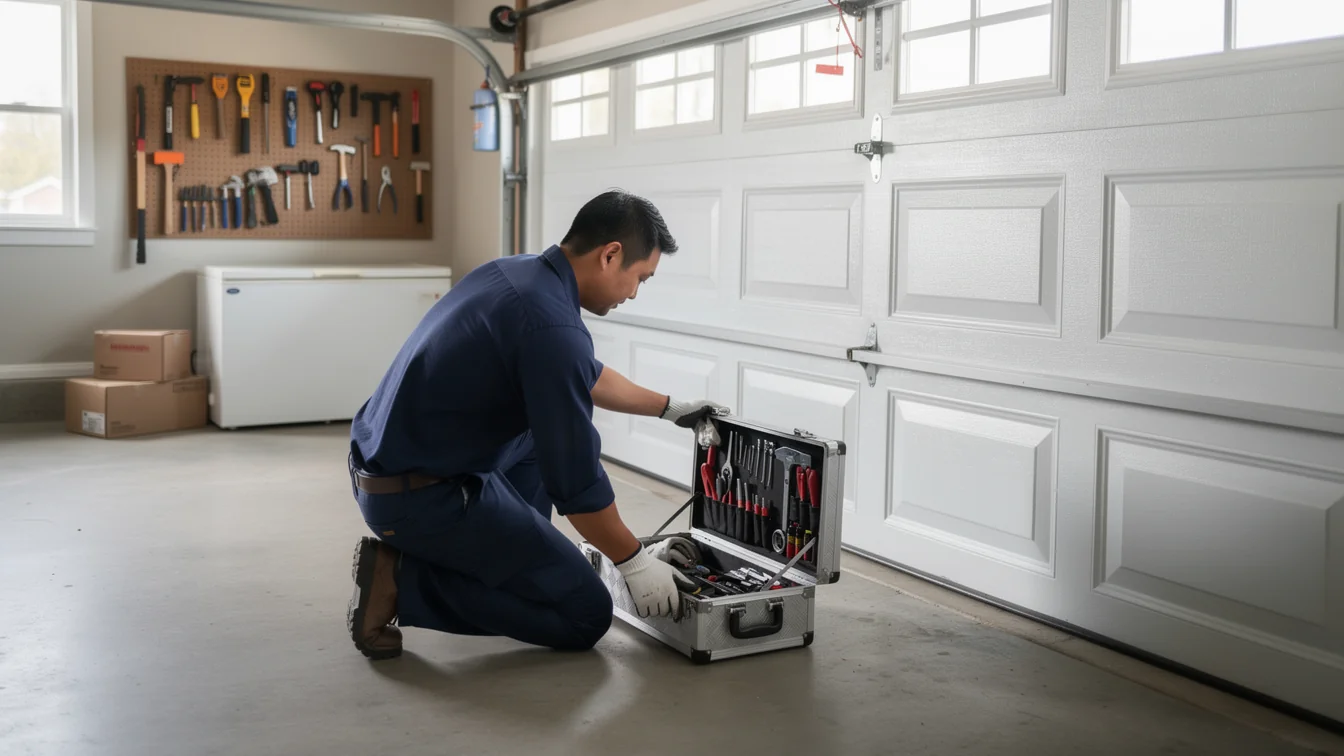
Local detail
Most of the houses we get called to sit in subdivisions built between 1969 and 2006, with the bulk of that stock going up in the 1980s and 90s across the fourteen named areas we work in. That matters because a door and opener installed in 1988 is now pushing 35 years on original hardware, and a lot of it was never swapped out when the house changed hands. We're in a cold-moderate climate band here, not the deep freeze you'd get further north, but still enough temperature swing through the year to stress steel springs and nylon rollers on a predictable cycle. A service call starts by figuring out where a door sits on that timeline - original hardware from the 80s build wave behaves differently under a wrench than a door replaced ten years ago. We check spring wind and cable wear against the age the house suggests, not against a generic checklist. That's the first thing that separates a real inspection from a five-minute look and a sales pitch for a new opener.
The area
The most common mistake we see in homes from that 1969-2006 build window is assuming a noisy door just needs oil. On a 25-to-40-year-old torsion spring, noise is usually the spring announcing it's near the end of its wind count, and oiling the track buys you weeks, not years. People also tend to replace an opener without checking whether the track and rollers underneath it are from the same era as the house - we've opened up units where a 2015 opener was bolted to 1990s rail that was already bent. With a median household income of $77,864 across the service area, most owners here can afford to fix things right the first time, but they're not getting asked the right questions by whoever shows up. A service call should tell you which part is actually failing before anyone quotes a repair. If the spring, the opener, and the track all show wear from the same twenty-year window, that's useful information - it tells you the whole system is aging out together, not that one part is random bad luck.
What we find
With roughly 10,249 owner-occupied houses across this service area, and most of that stock dating to the 1969-2006 build period, we're hitting a stretch where original garage door systems are simply running out of life at the same time. A torsion spring rated for a certain number of cycles doesn't care how well the house was built - it winds down on a schedule, and homes from the 1980s and 90s construction wave are now well past typical spring life. The real problem on a service call isn't usually the door panel itself; steel and wood sections from that era tend to hold up fine. It's the moving hardware - springs, cables, the drum, the bearing plates - that fails first, and it fails in a way that feels sudden even though it's been building for two decades. An honest call tells you if you're looking at a $200 spring swap or if the opener and track are far enough gone that putting more money into old hardware doesn't make sense compared to replacing the whole operating system at once.
How we work
Our climate band is classified cold-moderate, which means we don't get the brutal deep freeze of the northern plains, but we still see real swings - cold mornings that tighten steel cable and swell wood panels, followed by warmer afternoons that loosen everything back up. That daily flex matters more on hardware that's already 20 to 35 years old, which describes a lot of the doors in houses built during the 1969-2006 run. A spring that's near its wind limit is far more likely to let go on a cold morning when the steel is stiff and the torque demand on startup is highest. We also see openers struggle to sense door position correctly when temperature swings affect the travel limits on older circuit boards. A seasonal service call isn't about convincing you to winterize a garage door - it's about catching the spring or cable that's one cold morning away from snapping, before it does.
Questions
We don't guess over the phone. What we can tell you is that most houses in this service area were built between 1969 and 2006, so original hardware on an unmodified door is likely in that age range. We check spring wind, cable wear, and track alignment against that timeline once we're on site, and we show you what we find before any repair starts.
Sometimes, yes. If the opener, track, and springs are all original to a house from the 1980s or 90s build wave and all showing wear at once, patching one part often just means the next one fails in a few months. We'll tell you straight if replacing the whole operating system costs less over two years than repeated service calls on worn-out original hardware.
We sit in a cold-moderate climate band, so the swings aren't extreme, but cold mornings do stiffen steel cable and raise torque demand right when an aging spring is weakest. On hardware already 20-plus years old, that daily temperature flex is often what turns a worn spring into a snapped one.
We don't replace a part just because it's old if it's still within safe wear limits - we check actual cycle wear and tension, not just the build year of the house. An honest inspection sometimes ends with us telling you the door's fine for now.
Recommendation
More garage door guides for Anna homeowners.
Anna homes built 1969-2006 face specific opener and power-cut problems in a cold-moderate climate.
Read more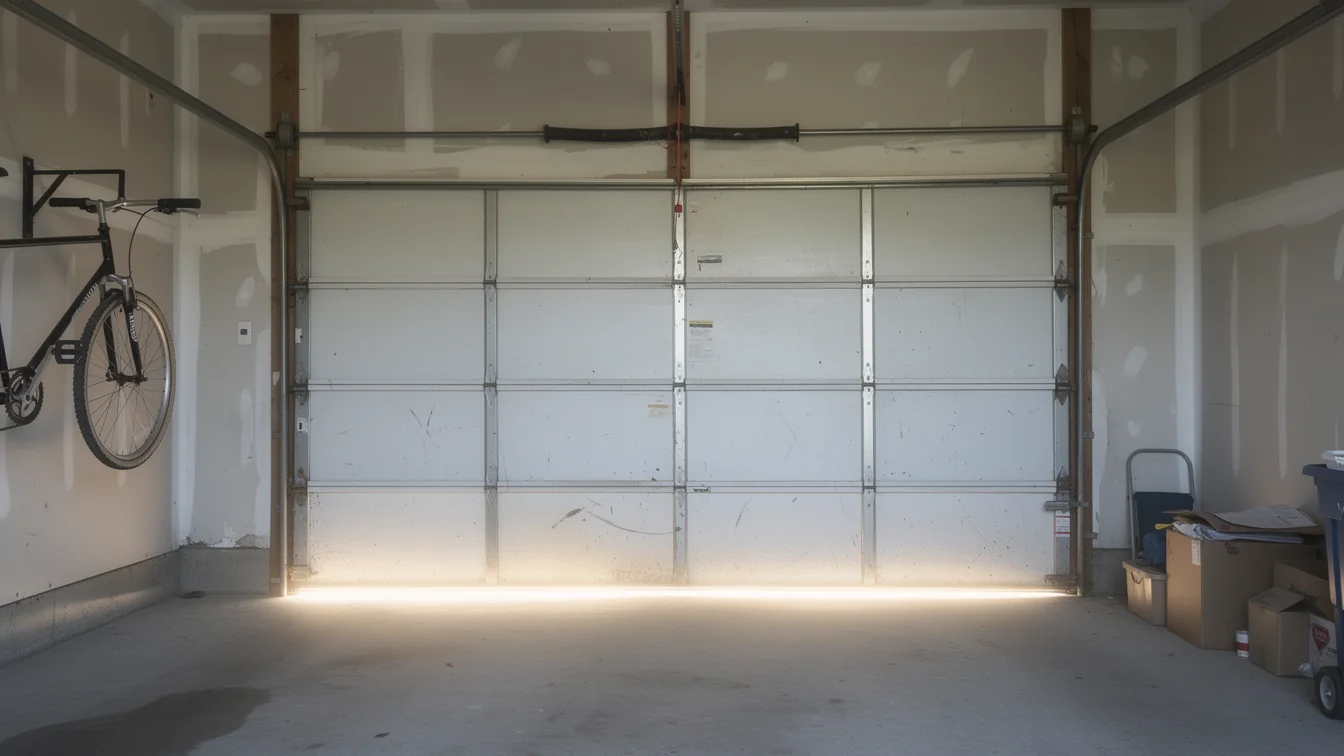
Anna Garage Door Pros knows the 1969-2006 housing stock and cold-moderate winters shaping garage door wear across Anna's 14 named subdivisions.
Read more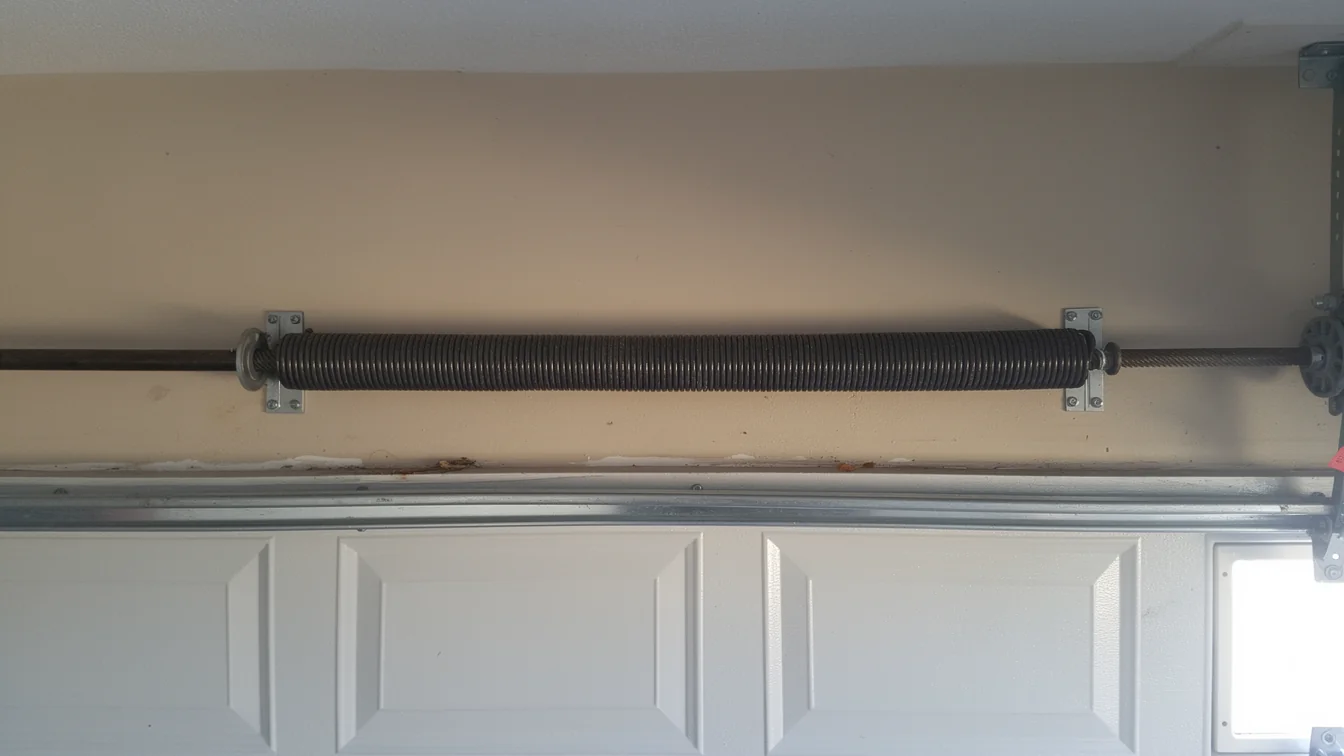
Anna homes built 1969-2006 run original springs on torsion hardware that wasn't sized for sub-freezing mornings.
Read moreReady when you are
Anna Garage Door Pros repairs and installs garage doors, springs and openers in Anna, TX and the surrounding area.