
What Your Garage Door Is Trying to Tell You
Anna homes mostly date from the 1980s and 90s, with older stock back to 1969.
Read moreIn Anna, most garage doors date to the 1980s-90s building boom. Here's how to tell if yours is worth repairing or ready for replacement.
Local detail
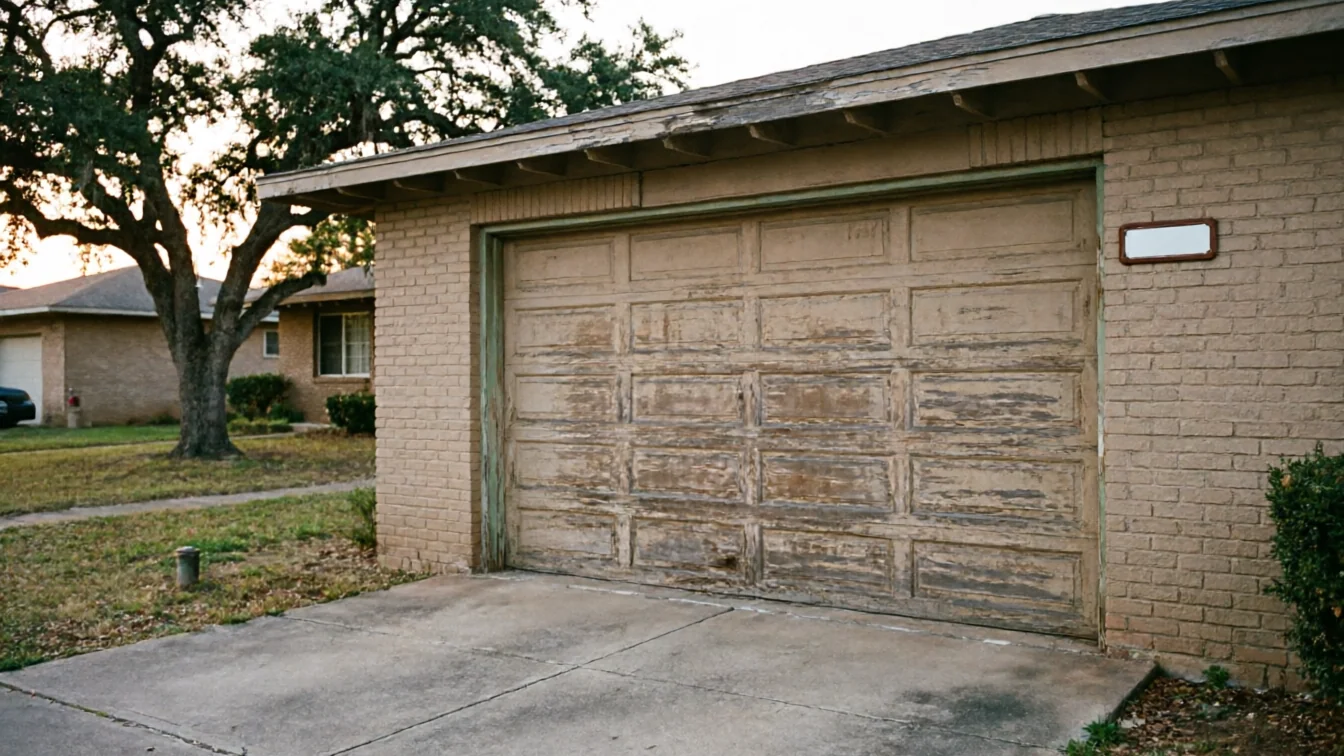
Most of the houses in and around Anna went up between 1969 and 2006, with the bulk of that stock clustered in the 1980s and 90s across the fourteen named areas that make up this service footprint. That matters because doors installed during that build-out are now 25 to 45 years old, which is well past the working life of the torsion springs, rollers, and openers that shipped with them. A door that age is not automatically junk, but it's carrying original hardware that was never designed to be serviced forever. We're in a cold-moderate climate band here, not the Gulf Coast and not the Panhandle, so the wear pattern on these doors is steady freeze-thaw cycling and temperature swings rather than one brutal season. That slow cycling is what tends to crack old wood panels, dry out seals, and loosen hinge screws on steel doors that have been painted over more than once. None of this is dramatic. It's just time and weather doing what time and weather do to a door nobody's touched since the Clinton administration.
The area
The most common mistake we see on doors from this era is treating a noisy track or a slow-closing door as an opener problem when it's actually a spring or hardware problem rooted in the door's age. People replace the opener, spend the money, and the door still binds because the real issue is worn rollers or a spring that's lost tension gradually over three decades rather than snapping outright. The other mistake is assuming a door built in the 1980s or 90s is too old to be worth touching at all, so they let a fixable problem sit until it becomes an expensive one - a bent track that eventually takes out a cable, or a worn hinge that cracks a panel. Given how much of the housing stock here falls into that same build window, this isn't a rare call. It's close to the default job.
What we find
A door from the 1986 median build year is old enough that its steel gauge, spring cycle rating, and track design are all behind what's sold today, but that doesn't mean replacement is automatic. The honest answer is it depends on what's actually failing. A cracked panel or a dead spring on an otherwise straight, well-balanced door is almost always worth fixing - the labor and parts cost less than a new door and the frame underneath is often fine. What's not worth fixing is a door where the track is bent, the panels are rusted through at the bottom, and the opener is also shot - at that point you're paying to patch three separate failures on a door that's going to need the same visit again in a year. We won't talk you into replacing a door that just needs a spring and a tune-up, and we won't talk you into another round of patch repairs on one that's actively falling apart.
How we work
In a cold-moderate climate, the swing between summer heat and winter cold is what stresses an aging door most, more than any single storm. Metal contracts in cold snaps and expands again as it warms, and on a door that's 30-plus years old, that cycle finds every loose bolt, worn roller, and dried-out weather seal. Springs that were already near the end of their rated cycle count tend to go in the colder stretches, when the metal is less forgiving and tension differs from summer settings. If your door is original to a house built anywhere in that 1969-2006 range, the months of temperature swing are when a marginal part finally gives out, not necessarily the hottest or coldest day of the year.
Questions
Not necessarily. If the track is straight and the panels aren't rusted or cracked, a spring replacement and tune-up often solves the problem for less than a new door. Replacement makes more sense when multiple systems - track, panels, opener - are failing at once.
Temperature swings in our cold-moderate climate stress aging hardware more than any single weather event. Metal contracts and expands with the seasonal cycle, and on a 25-to-45-year-old door that's when a worn roller or near-end spring finally fails.
Often, yes. Age alone doesn't disqualify a door - condition does. A door with sound panels and a true track is usually a good repair candidate even if it dates to the 1980s or 90s building boom that produced most of the housing here.
Recommendation
More garage door guides for Anna homeowners.
Anna homes mostly date from the 1980s and 90s, with older stock back to 1969.
Read more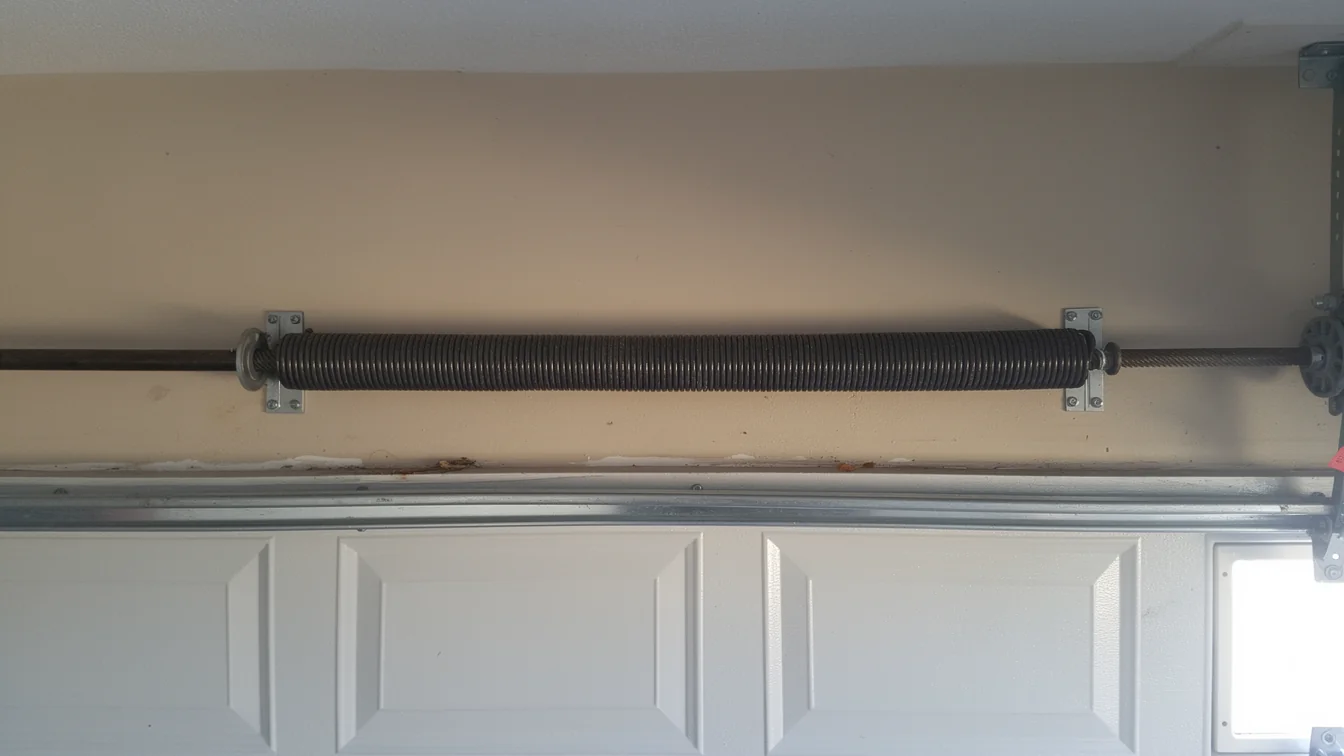
Anna homes built 1969-2006 run original springs on torsion hardware that wasn't sized for sub-freezing mornings.
Read more
Anna Garage Door Pros knows the 1969-2006 housing stock and cold-moderate winters shaping garage door wear across Anna's 14 named subdivisions.
Read moreReady when you are
Anna Garage Door Pros repairs and installs garage doors, springs and openers in Anna, TX and the surrounding area.